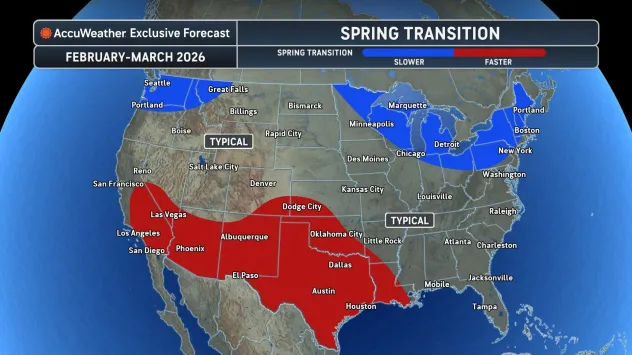
The weather in 2026 is being shaped by several important atmospheric and climate patterns that deserve close attention. From global temperature trends and changing rainfall patterns to extreme heat, heavy precipitation, drought, storms, and shifting seasonal conditions, weather continues to influence communities, agriculture, travel, infrastructure, and everyday life.
Understanding the major weather and climate trends in 2026 can help us prepare for changing conditions and understand why weather events may look different from historical patterns.
While a single year’s weather should not be confused with long-term climate change, annual observations can provide valuable information about broader climate patterns. We should therefore look at 2026 through both short-term weather developments and longer-term climate trends.
Global Weather Trends in 2026
Weather conditions vary significantly from one region to another, but several broad patterns are being closely monitored in 2026.
These include:
- Changes in global temperatures
- More frequent periods of extreme heat
- Heavy rainfall in some regions
- Drought conditions in other areas
- Changes in seasonal rainfall
- Strong thunderstorms and severe weather
- Changing snow and ice conditions
- Coastal and marine weather risks
- Increasing demand for accurate weather forecasting
The most important point is that climate change does not mean every location becomes hotter every day. Instead, long-term warming can influence the probability, intensity, duration, and characteristics of various weather events.
Global Temperature: A Major Trend to Watch
Temperature remains one of the most important climate indicators in 2026.
Long-term global warming has increased average temperatures compared with the pre-industrial period. Individual years can still vary because natural climate patterns influence the atmosphere and oceans.
For people monitoring the weather in 2026, the most useful information is not simply the average global temperature. We should also examine regional temperature extremes, including unusually hot periods and changes in seasonal temperatures.
A few degrees of difference can have substantial consequences when temperatures remain elevated for several consecutive days.
Extreme Heat and Heatwaves
One of the major weather risks to monitor in 2026 is extreme heat.
Heatwaves occur when temperatures remain unusually high for a particular location and season. Their effects can become more significant when high temperatures combine with high humidity.
Urban areas can experience additional warming because buildings, roads, and other surfaces absorb and retain heat. This phenomenon contributes to the urban heat island effect.
During periods of extreme heat, we should pay attention not only to the recorded temperature but also to:
- Humidity
- Feels-like temperature
- Nighttime temperatures
- Heat warnings
- Duration of the heatwave
- Local emergency guidance
Warm nights can be particularly important because they provide less opportunity for people, buildings, and infrastructure to cool down.
Changing Rainfall Patterns in 2026
Rainfall is another major weather trend to watch.
Climate change can influence the water cycle, although the effects vary by region. Some locations may experience periods of heavier rainfall, while others may face longer dry spells.
In 2026, rainfall patterns should therefore be monitored at the local and regional level rather than assuming that global trends apply equally everywhere.
For India, seasonal monsoon rainfall remains particularly important because it influences agriculture, reservoirs, groundwater, transportation, and local economies.
Heavy Rainfall and Flood Risk
A warmer atmosphere can hold more water vapor, which can contribute to conditions favorable for intense precipitation.
Heavy rainfall does not automatically occur everywhere simply because global temperatures rise. Local atmospheric circulation, topography, ocean conditions, and weather systems all influence precipitation.
Nevertheless, extreme rainfall events remain an important risk to monitor.
Heavy rainfall can lead to:
- Urban flooding
- River flooding
- Landslides
- Road closures
- Transportation disruptions
- Crop damage
- Infrastructure damage
- Water contamination
Checking official rainfall warnings is especially important during periods of active monsoon or storm activity.
Drought and Water Stress
While some regions experience excessive rainfall, others can experience drought and water shortages.
Drought is not defined solely by a lack of rain. It can involve prolonged deficits in precipitation that affect soil moisture, rivers, reservoirs, groundwater, agriculture, and ecosystems.
In 2026, water availability remains an important issue for many regions.
We should monitor:
- Seasonal rainfall
- Reservoir levels
- Soil moisture
- Groundwater conditions
- Agricultural water demand
- Temperature trends
- Evaporation rates
A combination of high temperatures and below-normal rainfall can increase water stress.
The Role of Ocean Conditions
The world’s oceans play an enormous role in weather and climate.
Ocean temperatures influence evaporation, atmospheric moisture, storms, and regional weather patterns. Changes in ocean conditions can also influence atmospheric circulation far from the location where the ocean anomaly occurs.
This is why climate scientists closely monitor sea-surface temperatures and large-scale ocean-atmosphere patterns.
The El Niño-Southern Oscillation (ENSO) is particularly important because El Niño and La Niña conditions can influence rainfall and temperature patterns across different parts of the world.
Monsoon Weather in 2026
For countries such as India, the monsoon is among the most important seasonal weather systems.
Monsoon rainfall can vary considerably from one region to another and from one period to another. Even when seasonal rainfall totals appear close to normal, rainfall distribution can still be uneven.
For example, a region could receive heavy rainfall over a few days followed by an extended dry period.
Therefore, in 2026, it is useful to monitor not only total seasonal rainfall but also:
- Rainfall distribution
- Extreme rainfall events
- Dry spells
- Monsoon onset and withdrawal
- Regional rainfall differences
- Flood and landslide risks
Severe Thunderstorms
Thunderstorms are another important weather hazard in 2026.
Severe thunderstorms can produce:
- Lightning
- Heavy rain
- Strong wind gusts
- Hail
- Flash flooding
- Tornadoes in some regions
Thunderstorm development can be difficult to predict at a very specific location and time. This makes short-term weather monitoring particularly valuable.
When severe thunderstorm warnings are issued, official guidance should take priority over ordinary weather-app forecasts.
Tropical Cyclones and Storms
Tropical cyclones are among the most destructive weather systems on Earth.
Their impacts can include extreme winds, storm surge, heavy rainfall, flooding, and landslides.
The exact number and intensity of storms in any particular year cannot be determined simply from long-term climate trends. Individual storm seasons are influenced by multiple atmospheric and oceanic factors.
For coastal communities in 2026, we should continue monitoring official cyclone forecasts and warnings during active seasons.
Wildfire Weather
Hot, dry, and windy conditions can increase the potential for dangerous wildfire behavior in vulnerable regions.
Weather does not cause every wildfire, but it can strongly influence how quickly fires spread once they begin.
Important wildfire-weather indicators include:
- High temperatures
- Low humidity
- Dry vegetation
- Strong winds
- Prolonged drought
- Lack of rainfall
In areas vulnerable to wildfires, weather forecasts can therefore become an important part of emergency planning.
Changing Winter Weather
Winter conditions are also changing in many parts of the world.
Long-term warming can reduce average snow and ice in some regions, while individual cold-weather outbreaks can still occur.
This is an important distinction: global warming does not eliminate cold weather.
Weather patterns can still produce freezing temperatures, snowstorms, and cold waves even in a warming climate.
However, the frequency, duration, and geographical distribution of winter conditions can change over longer periods.
Snow and Mountain Weather
Mountain regions are particularly sensitive to changes in temperature and precipitation.
A small change in temperature can determine whether precipitation falls as snow or rain at a particular elevation.
Changes in snowpack can influence:
- Water supplies
- River flow
- Agriculture
- Tourism
- Hydropower
- Avalanche conditions
- Mountain ecosystems
For travelers visiting mountainous areas in 2026, checking local forecasts and official mountain warnings remains essential.
Urban Weather and Rising Heat Risks
Cities deserve particular attention when discussing weather in 2026.
Concrete, asphalt, buildings, limited vegetation, and human activity can contribute to higher temperatures in urban areas compared with surrounding locations.
Urban planners are increasingly interested in measures such as:
- Urban trees
- Green spaces
- Reflective surfaces
- Better ventilation
- Heat-response plans
- Improved drainage systems
These measures can help communities manage both extreme heat and heavy rainfall.
Weather Forecasting Technology in 2026
Weather forecasting continues to benefit from improvements in satellite observations, radar technology, computer models, and data analysis.
Artificial intelligence and machine-learning techniques are also increasingly being investigated and used alongside traditional forecasting approaches.
Modern forecasts can process enormous amounts of atmospheric and environmental information.
However, forecasts still contain uncertainty because the atmosphere is a complex system.
For that reason, the best weather information should include not only a predicted value but also information about forecast confidence, probability, and potential ranges.
Why Weather Forecasts Can Change
A weather forecast is not a permanent prediction.
New observations become available continuously from satellites, weather stations, aircraft, ocean instruments, radar systems, and other sources.
Forecast models then incorporate updated information.
As a result, tomorrow’s forecast may differ from today’s forecast.
This is particularly common when forecasting:
- Thunderstorms
- Tropical cyclones
- Heavy rainfall
- Mountain weather
- Rapid temperature changes
- Strong winds
For important plans, checking an updated forecast closer to the event is therefore a sensible approach.
Climate Change and Extreme Weather
One of the most important topics when discussing weather in 2026 is the relationship between climate change and extreme weather.
Climate change does not mean that every individual extreme weather event can automatically be attributed to global warming.
Instead, scientists analyze whether climate change has influenced the likelihood or intensity of a particular type of event.
For some types of extreme heat and heavy precipitation, research has found clear links with a warming climate. Other weather phenomena have more complicated relationships.
This distinction helps us understand climate science without oversimplifying individual weather events.
What Weather Trends Should We Watch in 2026?
For everyday readers, the most important weather and climate indicators to follow include:
1. Extreme Heat
Monitor the frequency and duration of unusually hot periods.
2. Heavy Rainfall
Pay attention to intense precipitation and local flood warnings.
3. Drought
Monitor rainfall deficits, soil moisture, reservoirs, and water availability.
4. Severe Storms
Watch for thunderstorms, lightning, hail, damaging winds, and other hazards.
5. Tropical Cyclones
Coastal regions should monitor official cyclone forecasts during active seasons.
6. Monsoon Patterns
In South Asia, rainfall distribution and extreme rainfall events remain especially important.
7. Ocean Temperatures
Large-scale ocean conditions can influence weather patterns around the world.
8. Winter and Snow Changes
Mountain and high-latitude regions should continue monitoring changes in snow and ice.
How to Prepare for Changing Weather in 2026
Preparation begins with reliable information.
We should regularly check official weather forecasts, particularly before travel or outdoor activities.
Useful preparation steps include:
- Checking local forecasts
- Monitoring official weather warnings
- Keeping emergency supplies available
- Preparing for extreme heat
- Protecting property from heavy rainfall
- Understanding local flood risks
- Monitoring cyclone warnings in coastal areas
- Following local authorities during severe weather
- Checking weather updates before long journeys
For businesses and communities, preparation can include emergency communication systems, drainage planning, heat-response strategies, and infrastructure improvements.
Frequently Asked Questions About Weather in 2026
What are the biggest weather trends to watch in 2026?
Major trends include extreme heat, heavy rainfall, drought, severe thunderstorms, changing seasonal patterns, tropical cyclone risks, and regional changes in snow and ice.
Will 2026 be the hottest year on record?
Whether a particular year becomes the hottest on record depends on global temperature observations and comparisons with previous years. Annual rankings should be based on complete observational datasets rather than predictions made early in the year.
Will climate change make every place hotter in 2026?
No. Climate change affects long-term averages and weather-event probabilities, but individual locations can still experience cold periods and substantial regional variation.
Will there be more extreme rainfall in 2026?
The risk of extreme rainfall varies by location. A warmer atmosphere can support greater atmospheric moisture, but actual rainfall depends on regional weather patterns and other atmospheric factors.
How can we monitor weather conditions in 2026?
We can monitor reliable weather services, official meteorological agencies, radar information, satellite observations, and local severe-weather warnings.
Is weather the same as climate?
No. Weather describes short-term atmospheric conditions, while climate describes long-term patterns and averages.
Final Thoughts
The weather in 2026 reflects a combination of natural atmospheric variability and longer-term climate influences. Extreme heat, heavy rainfall, drought, severe storms, changing monsoon patterns, tropical cyclones, and changing snow conditions are among the major issues worth watching.
The most useful approach is to avoid focusing on a single global number. Weather is highly regional, and conditions can differ dramatically between countries, cities, and even neighboring communities.
By following reliable weather forecasts, official warnings, climate information, and local observations, we can better understand changing conditions and prepare for the weather risks that matter most in our region.
The year 2026 is another reminder that weather forecasting and climate monitoring are increasingly important for daily planning, agriculture, travel, infrastructure, public safety, and long-term decision-making.